The lecture begins at 17.00 UK time.
The succession following the death of the Fatimid Imam-Caliph al-Mustansir produced one of the most significant turning points in Ismaili history. The division between Nizari and Mustaʿli (Tayyibi) communities has endured for centuries. Yet the circumstances that produced this split remain disputed. Scholars continue to debate the available evidence, the reliability of contemporaneous reports, and the political dynamics that shaped the transition.
In this lecture, Professor E. Paul Walker revisits the key issues and reassesses the sources that have defined modern understandings of the succession.
He highlights a previously overlooked account written close to the time of the schism. It offers new insights into how early narratives developed and circulated within the daʿwa. His analysis clarifies long-standing ambiguities and provides a more grounded basis for interpreting this transformative moment in the Fatimid period.
The session will include an introduction and a discussion with Dr Fârès Gillon, before opening up to Q&A with the audience.
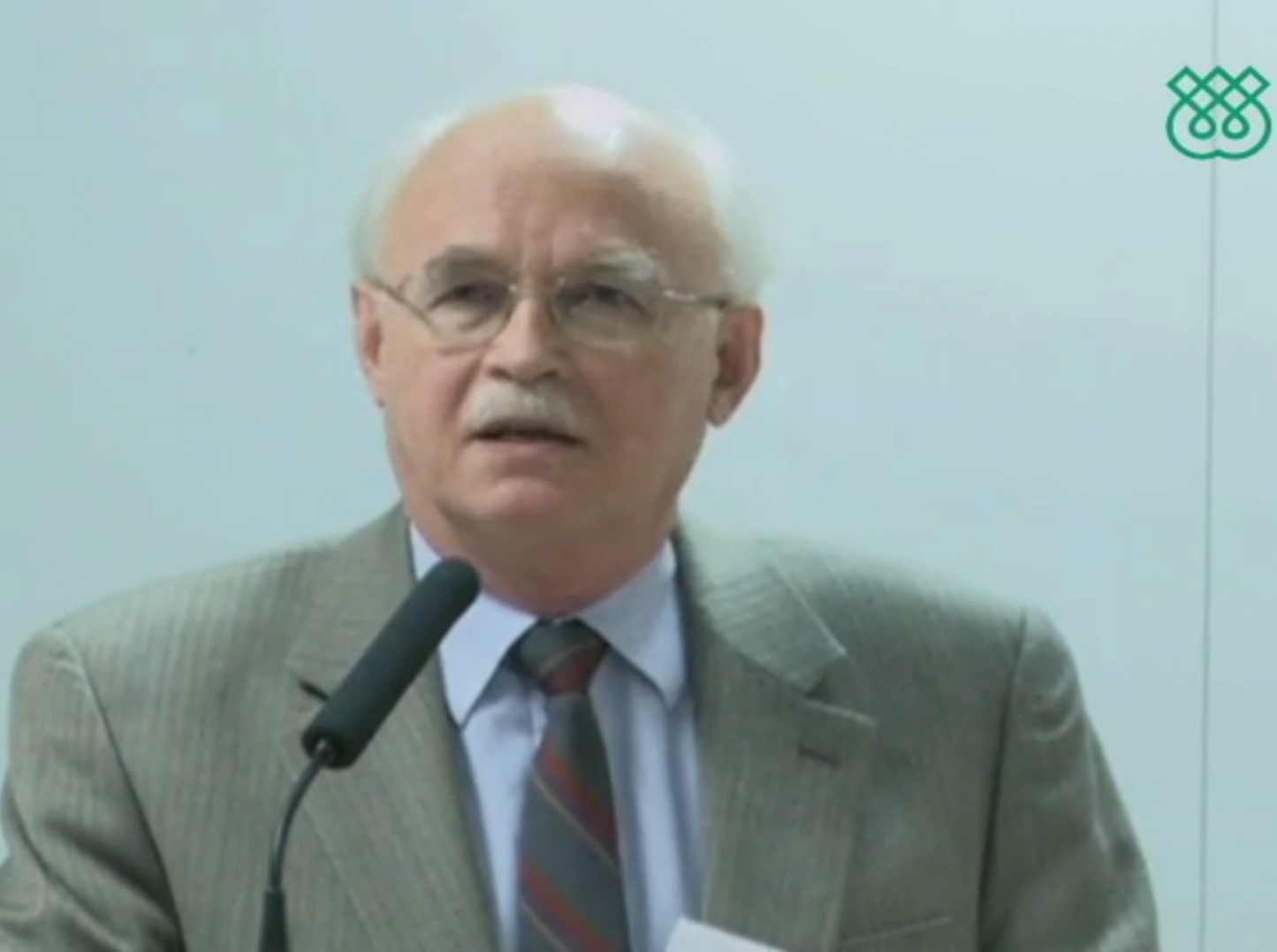
Paul Walker is well known for his many publications on Ismaili and Fatimid topics, among them Early Philosophical Shiism (Cambridge University Press, 1993), The Advent of the Fatimids (2000), Orations of the Fatimid Caliphs (2009), Master of the Age (2007), and most recently, The Fatimids; Select papers on their governing institutions, social and cultural organization, religious appeal, and rivalries (Brill, 2023). He is currently Deputy Director for Academic Programs, Center for Middle Eastern Studies, University of Chicago.
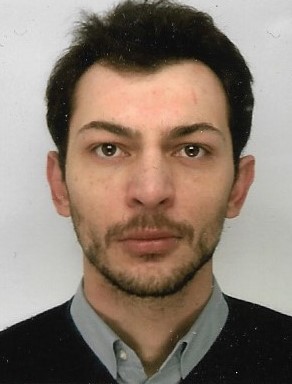
Fârès Gillon is maître de conférences in Islamic Studies and Arabic language at Aix-Marseille University. He obtained his doctorate in Arab and Islamic studies from the École Pratique des Hautes Études (EPHE, PSL). His recent publications include The Book of Unveiling, Early Fatimid Ismaili Doctrine in the Kitāb al-Kashf, attributed to Jaʿfar b. Manṣūr al-Yaman (2024). His research focuses primarily on Fatimid Ismailism, especially in its relations with its Shiʿi roots and with the parallel tradition of Nusayrism on which he has published several scholarly articles. He is also interested in the history of ideas in Islam, as well as in Islamic philosophy. He co-edited, with Mathieu Terrier, a bilingual anthology of philosophy in Islam (forthcoming).
Spread the word about this event!
Copy link:
Share:
 communities has endured for centuries. Yet the circumstances that produced this split remain disputed. Scholars continue to debate the available evidence, the reliability of contemporaneous reports, and the political dynamics that shaped the transition.In this lecture, Professor E. Paul Walker revisits the key issues and reassesses the sources that have defined modern understandings of the succession.He highlights a previously overlooked account written close to the time of the schism. It offers new insights into how early narratives developed and circulated within the daʿwa. His analysis clarifies long-standing ambiguities and provides a more grounded basis for interpreting this transformative moment in the Fatimid period.The session will include an introduction and a discussion with Dr Fârès Gillon, before opening up to Q&A with the audience.Paul WalkerPaul Walker is well known for his many publications on Ismaili and Fatimid topics, among them Early Philosophical Shiism (Cambridge University Press, 1993), The Advent of the Fatimids (2000), Orations of the Fatimid Caliphs (2009), Master of the Age (2007), and most recently, The Fatimids; Select papers on their governing institutions, social and cultural organization, religious appeal, and rivalries (Brill, 2023). He is currently Deputy Director for Academic Programs, Center for Middle Eastern Studies, University of Chicago.Dr Fârès GillonFârès Gillon is maître de conférences in Islamic Studies and Arabic language at Aix-Marseille University. He obtained his doctorate in Arab and Islamic studies from the École Pratique des Hautes Études (EPHE, PSL). His recent publications include The Book of Unveiling, Early Fatimid Ismaili Doctrine in the Kitāb al-Kashf, attributed to Jaʿfar b. Manṣūr al-Yaman (2024). His research focuses primarily on Fatimid Ismailism, especially in its relations with its Shiʿi roots and with the parallel tradition of Nusayrism on which he has published several scholarly articles. He is also interested in the history of ideas in Islam, as well as in Islamic philosophy. He co-edited, with Mathieu Terrier, a bilingual anthology of philosophy in Islam (forthcoming).&source=https://dmluoj0wft2i7.cloudfront.net/thumbnails/media_slide_16x9/cdn/images/69737d3e8ffd5.jpg "LinkedIn")



 communities has endured for centuries. Yet the circumstances that produced this split remain disputed. Scholars continue to debate the available evidence, the reliability of contemporaneous reports, and the political dynamics that shaped the transition.In this lecture, Professor E. Paul Walker revisits the key issues and reassesses the sources that have defined modern understandings of the succession.He highlights a previously overlooked account written close to the time of the schism. It offers new insights into how early narratives developed and circulated within the daʿwa. His analysis clarifies long-standing ambiguities and provides a more grounded basis for interpreting this transformative moment in the Fatimid period.The session will include an introduction and a discussion with Dr Fârès Gillon, before opening up to Q&A with the audience.Paul WalkerPaul Walker is well known for his many publications on Ismaili and Fatimid topics, among them Early Philosophical Shiism (Cambridge University Press, 1993), The Advent of the Fatimids (2000), Orations of the Fatimid Caliphs (2009), Master of the Age (2007), and most recently, The Fatimids; Select papers on their governing institutions, social and cultural organization, religious appeal, and rivalries (Brill, 2023). He is currently Deputy Director for Academic Programs, Center for Middle Eastern Studies, University of Chicago.Dr Fârès GillonFârès Gillon is maître de conférences in Islamic Studies and Arabic language at Aix-Marseille University. He obtained his doctorate in Arab and Islamic studies from the École Pratique des Hautes Études (EPHE, PSL). His recent publications include The Book of Unveiling, Early Fatimid Ismaili Doctrine in the Kitāb al-Kashf, attributed to Jaʿfar b. Manṣūr al-Yaman (2024). His research focuses primarily on Fatimid Ismailism, especially in its relations with its Shiʿi roots and with the parallel tradition of Nusayrism on which he has published several scholarly articles. He is also interested in the history of ideas in Islam, as well as in Islamic philosophy. He co-edited, with Mathieu Terrier, a bilingual anthology of philosophy in Islam (forthcoming). "Facebook")