This event will be held at the Aga Khan Centre (AKC) near London King’s Cross, and streamed online via Zoom, at 17:00 BST.
Join us for a discussion with authors of A Practical Guide to Critical Religion, a new book that aims to make critical theory on ‘religion’ more accessible, hopefully even to its sceptics.
Why do many scholars now doubt that ‘religion’ is a useful concept for understanding aspects of our world? What’s wrong with describing things as ‘religious’ or ‘non-religious’? Why does it matter, and what can we do about it? These are the kinds of questions addressed by the book’s twelve authors, who speak to the importance and usefulness of critical approaches based on their own research and teaching in various fields.
The book offers a toolkit for understanding and doing Critical Religion – i.e., the critical study of ‘religion’ and related categories such as ‘the secular’. Through a diverse sample of cutting-edge scholarship, this book shows what Critical Religion means in action. It includes perspectives on history, anthropology, sociology, political science, and education, with case studies representing research in contexts from Japan to the Middle East to Europe and North America.
This event is an opportunity to discuss the critical revolution in religious studies with several of its pioneers. Our panel of scholars will explain what critical religion means to them and share their experience of putting these theoretical insights into practice. There will be plenty of time for Q&A, and all are welcome to continue these conversations over drinks at 6:30 pm.
Attendees are invited to stay for drinks reception at the AKC afterwards.
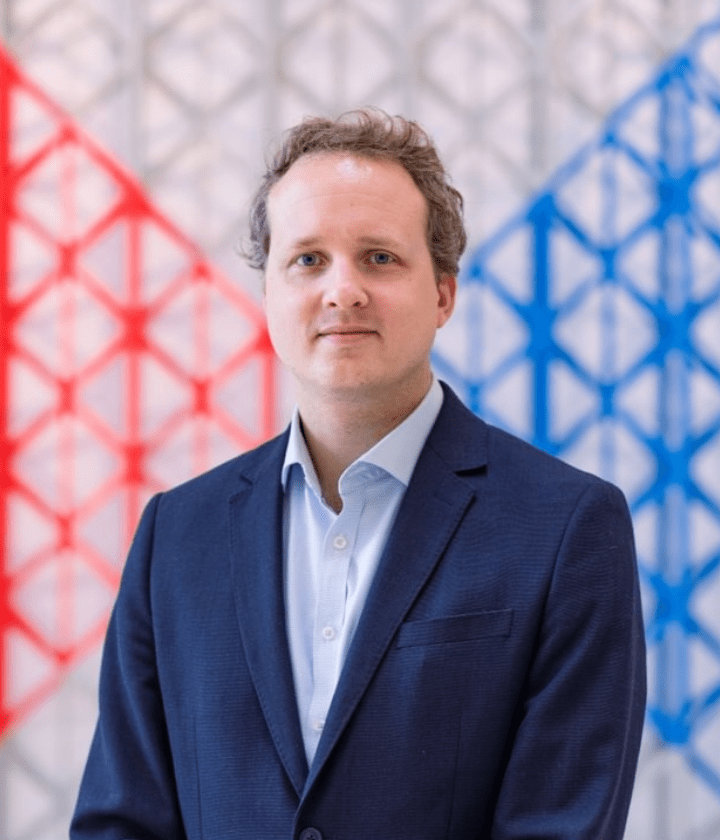
Programme Leader, The Institute of Ismaili Studies
Dr Alex Henley is the editor of A Practical Guide to Critical Religion. He leads the Graduate Programme in Islamic Studies and Humanities at the IIS, and teaches on religion and politics in the Middle East. His research interests revolve around ‘religion’ as a changing category of practice and governance, especially modern models of religious leadership and how they have been shaped by connected processes of religionisation, institutionalisation and sectarianisation.
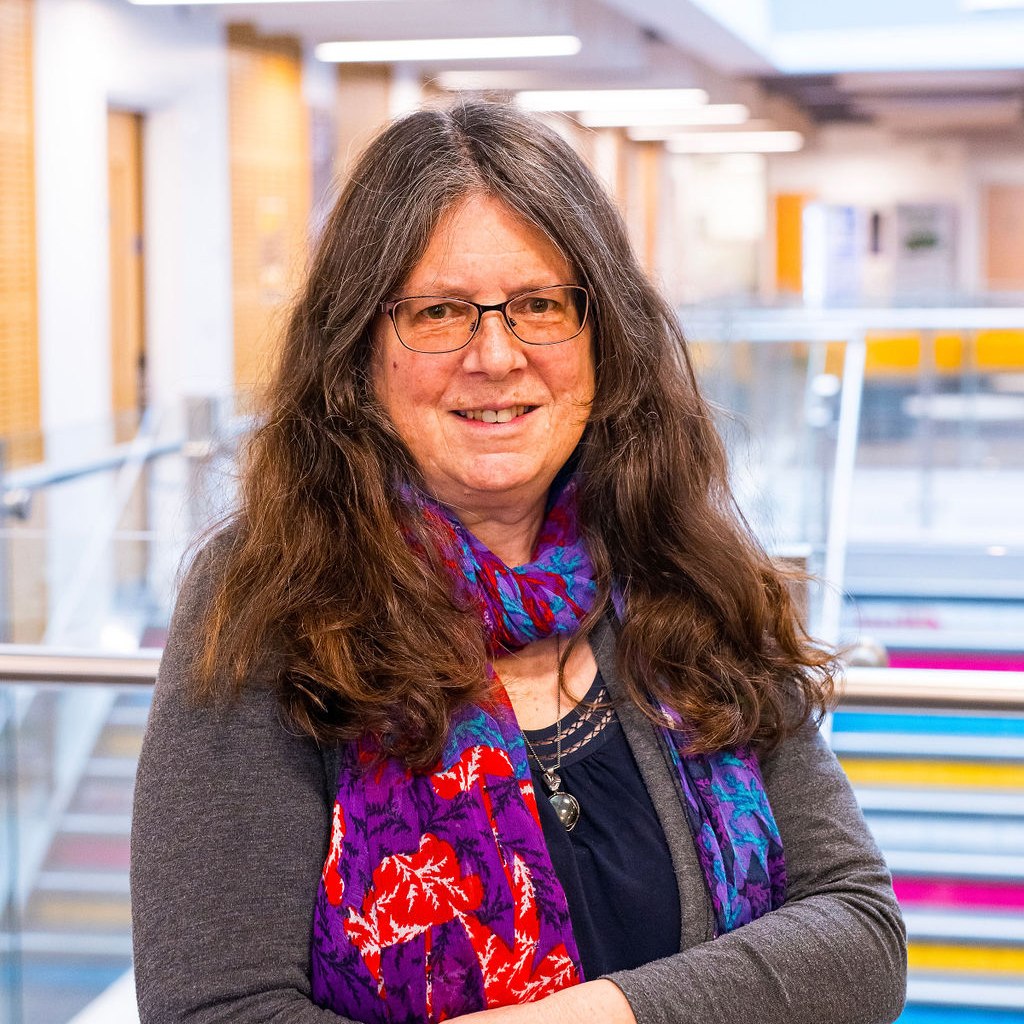
Associate Professor, Leeds Trinity University
Dr Suzanne Owen teaches on the study of religion and serves as Honorary Secretary of the British Association for the Study of Religions (BASR). Her research focuses on contemporary Paganism, British Druidry and indigeneity in Newfoundland. She is the author of The Appropriation of Native American Spirituality (2008), and has also published on the state of the religious studies in the UK.
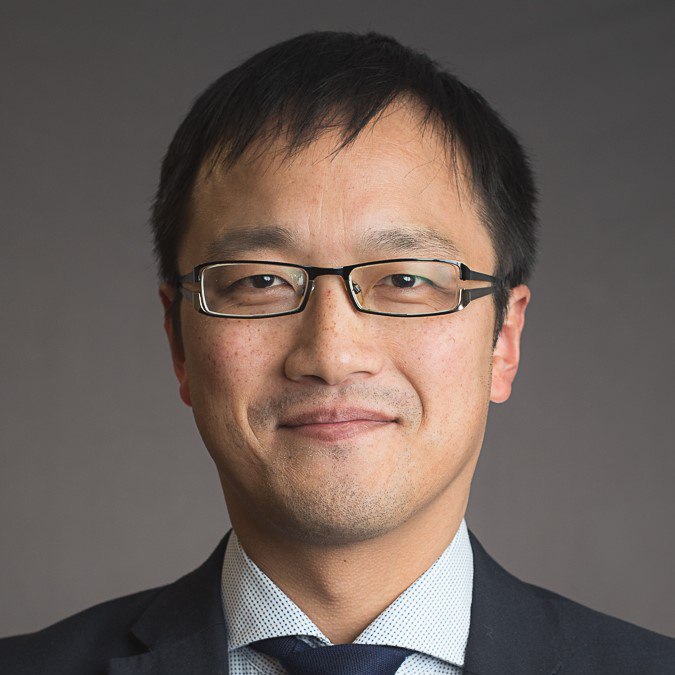
Professor, Shumei University and Chaucer College
Dr Mitsutoshi Horii is a professor of Sociology at Shumei University in Japan, and principal of Chaucer College in Canterbury, UK. He co-edits the leading journal Method and Theory in the Study of Religion, and his most recent books are The Category of ‘Religion’ in Contemporary Japan (2018) and ‘Religion’ and ‘Secular’ Categories in Sociology: Decolonizing the Modern Myth (2021).
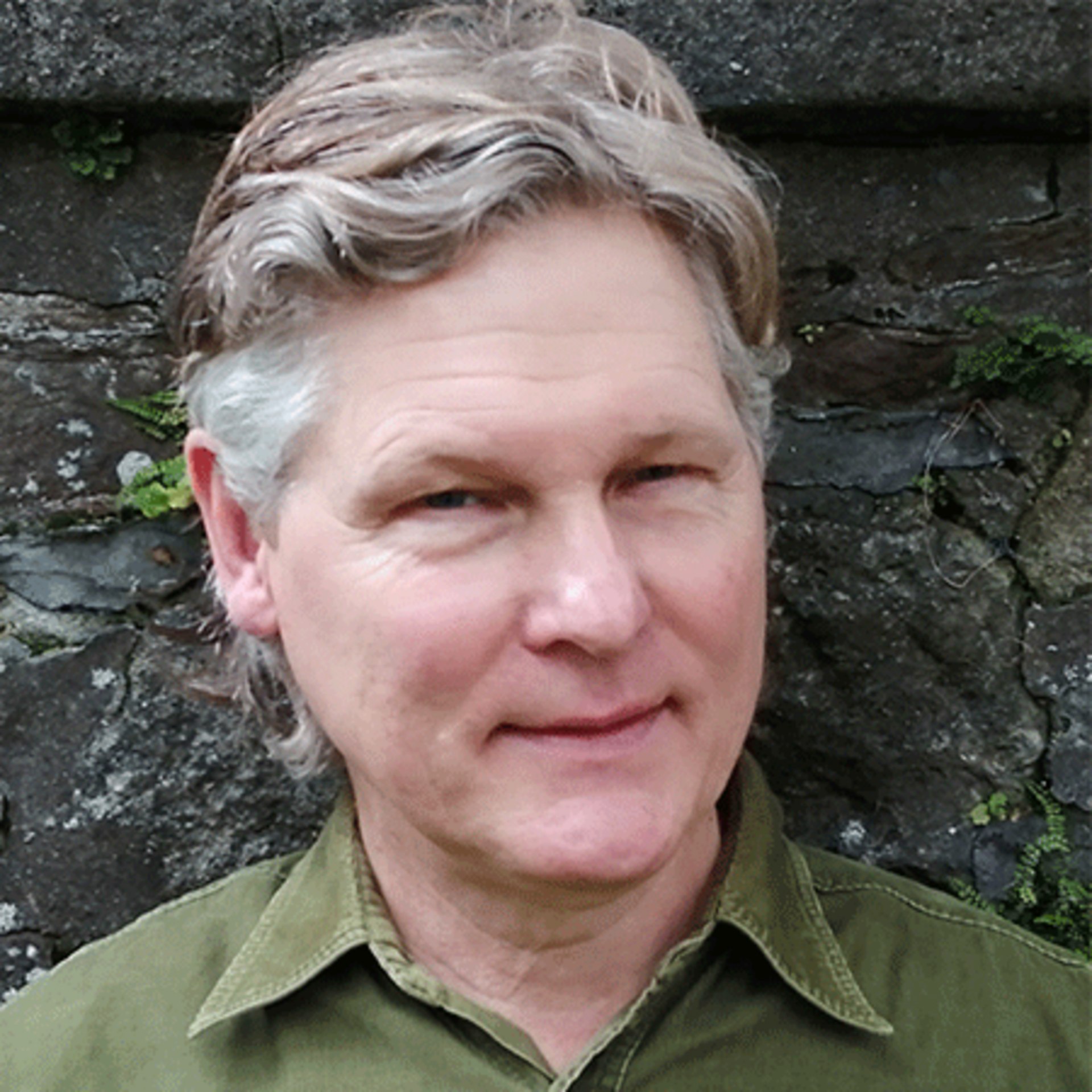
Visiting Fellow, Open University
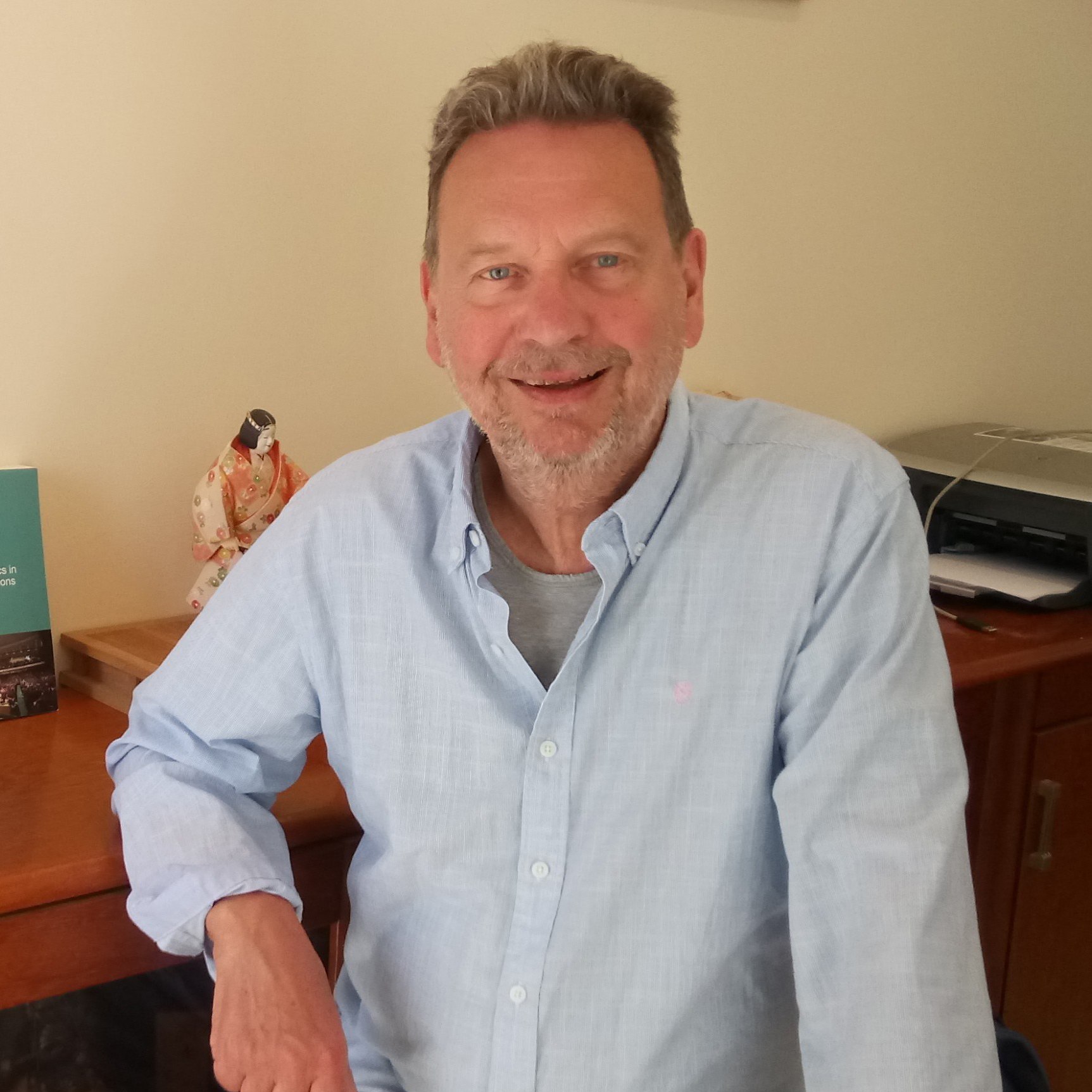
Dr Steven Sutcliffe recently retired from a senior lectureship role in the study of religion at the University of Edinburgh. His research interests include the effects of category formation on contemporary social life and cultural production. His publications include Children of the New Age: A History of Spiritual Practices (2003) and The Problem of Invented Religions (2016).
Research Associate, Center for Critical Research on Religion
Professor, University of Ottawa
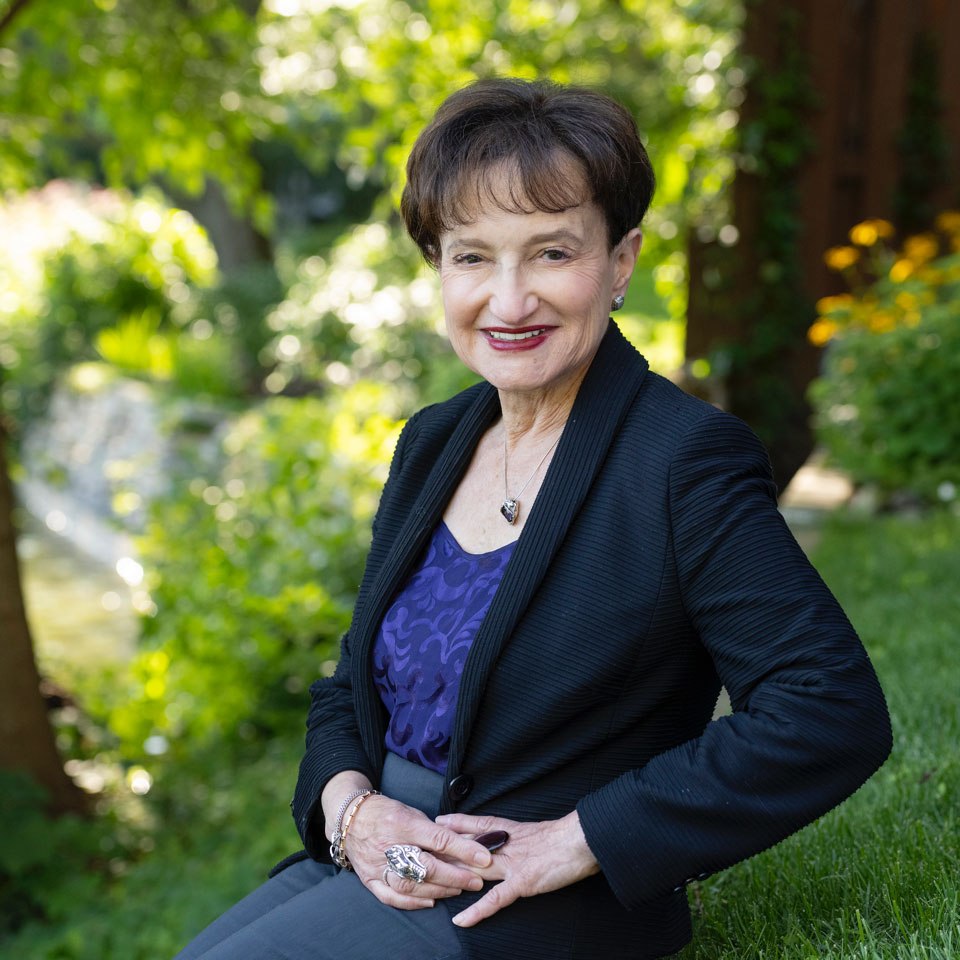
Naomi Goldernberg is a professor in Ottawa’s Department of Classics and Religious Studies. Her ‘vestigial state theory’ builds on insights from Critical Religion, and is the subject of her chapter in our book as well as her own co-edited volume The End of Religion: Feminist Reappraisals of the State (2021).
Register to attend online: https://iis-ac-uk.zoom.us/webinar/register/WN_KyFMadgJT4uY-himQzMgvg#/registration
Spread the word about this event!
Copy link:
Share:
 near London King’s Cross, and streamed online via Zoom, at 17:00 BST.Join us for a discussion with authors of A Practical Guide to Critical Religion, a new book that aims to make critical theory on ‘religion’ more accessible, hopefully even to its sceptics.Why do many scholars now doubt that ‘religion’ is a useful concept for understanding aspects of our world? What’s wrong with describing things as ‘religious’ or ‘non-religious’? Why does it matter, and what can we do about it? These are the kinds of questions addressed by the book’s twelve authors, who speak to the importance and usefulness of critical approaches based on their own research and teaching in various fields.The book offers a toolkit for understanding and doing Critical Religion – i.e., the critical study of ‘religion’ and related categories such as ‘the secular’. Through a diverse sample of cutting-edge scholarship, this book shows what Critical Religion means in action. It includes perspectives on history, anthropology, sociology, political science, and education, with case studies representing research in contexts from Japan to the Middle East to Europe and North America.This event is an opportunity to discuss the critical revolution in religious studies with several of its pioneers. Our panel of scholars will explain what critical religion means to them and share their experience of putting these theoretical insights into practice. There will be plenty of time for Q&A, and all are welcome to continue these conversations over drinks at 6:30 pm.Attendees are invited to stay for drinks reception at the AKC afterwards.SpeakersDr Alex HenleyProgramme Leader, The Institute of Ismaili StudiesDr Alex Henley is the editor of A Practical Guide to Critical Religion. He leads the Graduate Programme in Islamic Studies and Humanities at the IIS, and teaches on religion and politics in the Middle East. His research interests revolve around ‘religion’ as a changing category of practice and governance, especially modern models of religious leadership and how they have been shaped by connected processes of religionisation, institutionalisation and sectarianisation. Dr Suzanne OwenAssociate Professor, Leeds Trinity UniversityDr Suzanne Owen teaches on the study of religion and serves as Honorary Secretary of the British Association for the Study of Religions (BASR). Her research focuses on contemporary Paganism, British Druidry and indigeneity in Newfoundland. She is the author of The Appropriation of Native American Spirituality (2008), and has also published on the state of the religious studies in the UK. Dr Mitsutoshi HoriiProfessor, Shumei University and Chaucer CollegeDr Mitsutoshi Horii is a professor of Sociology at Shumei University in Japan, and principal of Chaucer College in Canterbury, UK. He co-edits the leading journal Method and Theory in the Study of Religion, and his most recent books are The Category of ‘Religion’ in Contemporary Japan (2018) and ‘Religion’ and ‘Secular’ Categories in Sociology: Decolonizing the Modern Myth (2021). Dr Steven SutcliffeVisiting Fellow, Open UniversityDr Steven Sutcliffe recently retired from a senior lectureship role in the study of religion at the University of Edinburgh. His research interests include the effects of category formation on contemporary social life and cultural production. His publications include Children of the New Age: A History of Spiritual Practices (2003) and The Problem of Invented Religions (2016).Dr Timothy FitzgeraldResearch Associate, Center for Critical Research on ReligionDr Timothy Fitzgerald was Reader in Religion at the University of Stirling from 2001 to 2015, having previously worked in Japan for thirteen years. He coined the term ‘critical religion’ and founded the Critical Religion Association with colleagues at Stirling. He is the author of The Ideology of Religious Studies (2000), Discourse of Civility and Barbarity: A Critical History of Religion and Related Categories (2007), and Religion and Politics in International Relations: The Modern Myth (2011).Prof Naomi GoldenbergProfessor, University of OttawaNaomi Goldernberg is a professor in Ottawa’s Department of Classics and Religious Studies. Her ‘vestigial state theory’ builds on insights from Critical Religion, and is the subject of her chapter in our book as well as her own co-edited volume The End of Religion: Feminist Reappraisals of the State (2021). Register to attend online: https://iis-ac-uk.zoom.us/webinar/register/WN_KyFMadgJT4uY-himQzMgvg#/registration &source=https://dmluoj0wft2i7.cloudfront.net/thumbnails/media_slide_16x9/cdn/images/69ef5f21a92ab.jpg "LinkedIn")



 near London King’s Cross, and streamed online via Zoom, at 17:00 BST.Join us for a discussion with authors of A Practical Guide to Critical Religion, a new book that aims to make critical theory on ‘religion’ more accessible, hopefully even to its sceptics.Why do many scholars now doubt that ‘religion’ is a useful concept for understanding aspects of our world? What’s wrong with describing things as ‘religious’ or ‘non-religious’? Why does it matter, and what can we do about it? These are the kinds of questions addressed by the book’s twelve authors, who speak to the importance and usefulness of critical approaches based on their own research and teaching in various fields.The book offers a toolkit for understanding and doing Critical Religion – i.e., the critical study of ‘religion’ and related categories such as ‘the secular’. Through a diverse sample of cutting-edge scholarship, this book shows what Critical Religion means in action. It includes perspectives on history, anthropology, sociology, political science, and education, with case studies representing research in contexts from Japan to the Middle East to Europe and North America.This event is an opportunity to discuss the critical revolution in religious studies with several of its pioneers. Our panel of scholars will explain what critical religion means to them and share their experience of putting these theoretical insights into practice. There will be plenty of time for Q&A, and all are welcome to continue these conversations over drinks at 6:30 pm.Attendees are invited to stay for drinks reception at the AKC afterwards.SpeakersDr Alex HenleyProgramme Leader, The Institute of Ismaili StudiesDr Alex Henley is the editor of A Practical Guide to Critical Religion. He leads the Graduate Programme in Islamic Studies and Humanities at the IIS, and teaches on religion and politics in the Middle East. His research interests revolve around ‘religion’ as a changing category of practice and governance, especially modern models of religious leadership and how they have been shaped by connected processes of religionisation, institutionalisation and sectarianisation. Dr Suzanne OwenAssociate Professor, Leeds Trinity UniversityDr Suzanne Owen teaches on the study of religion and serves as Honorary Secretary of the British Association for the Study of Religions (BASR). Her research focuses on contemporary Paganism, British Druidry and indigeneity in Newfoundland. She is the author of The Appropriation of Native American Spirituality (2008), and has also published on the state of the religious studies in the UK. Dr Mitsutoshi HoriiProfessor, Shumei University and Chaucer CollegeDr Mitsutoshi Horii is a professor of Sociology at Shumei University in Japan, and principal of Chaucer College in Canterbury, UK. He co-edits the leading journal Method and Theory in the Study of Religion, and his most recent books are The Category of ‘Religion’ in Contemporary Japan (2018) and ‘Religion’ and ‘Secular’ Categories in Sociology: Decolonizing the Modern Myth (2021). Dr Steven SutcliffeVisiting Fellow, Open UniversityDr Steven Sutcliffe recently retired from a senior lectureship role in the study of religion at the University of Edinburgh. His research interests include the effects of category formation on contemporary social life and cultural production. His publications include Children of the New Age: A History of Spiritual Practices (2003) and The Problem of Invented Religions (2016).Dr Timothy FitzgeraldResearch Associate, Center for Critical Research on ReligionDr Timothy Fitzgerald was Reader in Religion at the University of Stirling from 2001 to 2015, having previously worked in Japan for thirteen years. He coined the term ‘critical religion’ and founded the Critical Religion Association with colleagues at Stirling. He is the author of The Ideology of Religious Studies (2000), Discourse of Civility and Barbarity: A Critical History of Religion and Related Categories (2007), and Religion and Politics in International Relations: The Modern Myth (2011).Prof Naomi GoldenbergProfessor, University of OttawaNaomi Goldernberg is a professor in Ottawa’s Department of Classics and Religious Studies. Her ‘vestigial state theory’ builds on insights from Critical Religion, and is the subject of her chapter in our book as well as her own co-edited volume The End of Religion: Feminist Reappraisals of the State (2021). Register to attend online: https://iis-ac-uk.zoom.us/webinar/register/WN_KyFMadgJT4uY-himQzMgvg#/registration "Facebook")