The lecture will take place at 17:00–18:30 BST.
The Institute of Ismaili Studies will host a lecture as part of itsIslamic History and Thought Lecture Series (IHTLS) examining the textual foundations of Fatimid legal thought through the writings of al-Qāḍī al-Nuʿmān. The lecture will be delivered in-person by Dr Kumail Rajani.
The Fatimid Caliphate is widely recognised as a formative period in the development of Ismaili intellectual and legal traditions. Central to this process was al-Qāḍī al-Nuʿmān (d. 974), the foremost Ismaili jurist and founder of Fatimid Ismaili jurisprudence. His extensive writings established the textual and doctrinal foundations of Fatimid law and served as authoritative references for jurists, judges, and administrators across the Fatimid realm.
This lecture examines the textual foundations of Fatimid legal thought through a close analysis of al-Qāḍī al-Nuʿmān’s engagement with earlier Shiʿi materials and traditions. Drawing on Medinese and Kufan sources, many of which are no longer extant, al-Qāḍī al-Nuʿmān collected, transmitted, and reformulated inherited traditions into a systematic legal framework suited to the institutional and doctrinal requirements of the Fatimid state.
Rather than functioning solely as a compiler of earlier hadith traditions, his works reveal a deliberate process of selection, reinterpretation, and legal systematisation shaped by broader political and intellectual concerns. By situating al-Qāḍī al-Nuʿmān within wider scholarly networks that included al-Malūsī, Ibn al-Haytham, and al-Mawardī, the lecture will explore the movement of knowledge from Medina and Kufa to North Africa through Yemen and Egypt, and the mechanisms through which these traditions were incorporated into Fatimid legal discourse.
The lecture argues that al-Qāḍī al-Nuʿmān’s enduring contribution lies not simply in legal codification, but in the transformation of early Shiʿi textual traditions into a coherent and state-oriented legal system.
Senior Lecturer
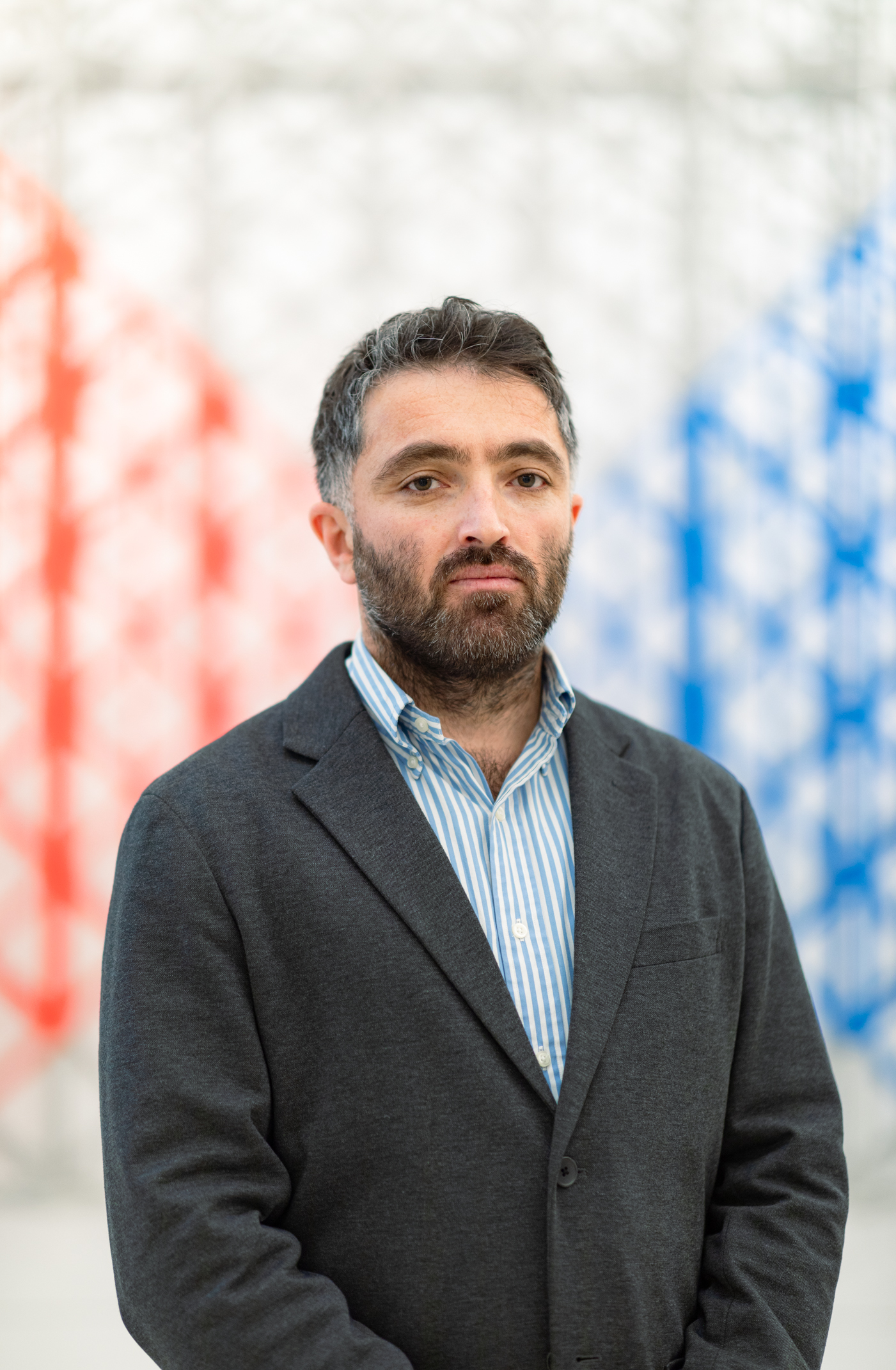
Dr Kumail Rajani is Imam Sajjad Chair in Shi‘i Studies and Senior Lecturer at the Institute of Arab and Islamic Studies at the University of Exeter. His primary research focuses on the origins and development of hadith corpora, with broader interests in Qur’anic exegesis, Islamic law and legal theory, South Asian studies, Ismaili studies, and Shiʿi studies. He has published widely, edited and co-edited scholarly volumes, and is the recipient of several fellowships, including the Zahid Ali Fellowship from IIS.
Research Associate
Dr Aslisho Qurboniev is a Research Associate in Shi’i Studies unit at The Institute of Ismaili Studies. He is a historian of the premodern Islamic world, with a focus on scholarly communities, knowledge production and transmission in Arabic and Persian, especially during the Fatimid period (909-1171). He obtained his PhD from the University of Cambridge (2015-2019) with a thesis entitled ‘Traditions of Learning in Faṭimid Ifriqiya (296–362/909–973): Networks, Practices, and Institutions’.
Spread the word about this event!
Copy link:
Share:
 examining the textual foundations of Fatimid legal thought through the writings of al-Qāḍī al-Nuʿmān. The lecture will be delivered in-person by Dr Kumail Rajani.About the lectureThe Fatimid Caliphate is widely recognised as a formative period in the development of Ismaili intellectual and legal traditions. Central to this process was al-Qāḍī al-Nuʿmān (d. 974), the foremost Ismaili jurist and founder of Fatimid Ismaili jurisprudence. His extensive writings established the textual and doctrinal foundations of Fatimid law and served as authoritative references for jurists, judges, and administrators across the Fatimid realm.This lecture examines the textual foundations of Fatimid legal thought through a close analysis of al-Qāḍī al-Nuʿmān’s engagement with earlier Shiʿi materials and traditions. Drawing on Medinese and Kufan sources, many of which are no longer extant, al-Qāḍī al-Nuʿmān collected, transmitted, and reformulated inherited traditions into a systematic legal framework suited to the institutional and doctrinal requirements of the Fatimid state.Rather than functioning solely as a compiler of earlier hadith traditions, his works reveal a deliberate process of selection, reinterpretation, and legal systematisation shaped by broader political and intellectual concerns. By situating al-Qāḍī al-Nuʿmān within wider scholarly networks that included al-Malūsī, Ibn al-Haytham, and al-Mawardī, the lecture will explore the movement of knowledge from Medina and Kufa to North Africa through Yemen and Egypt, and the mechanisms through which these traditions were incorporated into Fatimid legal discourse.The lecture argues that al-Qāḍī al-Nuʿmān’s enduring contribution lies not simply in legal codification, but in the transformation of early Shiʿi textual traditions into a coherent and state-oriented legal system.SpeakerDr Kumail RajaniSenior LecturerDr Kumail Rajani is Imam Sajjad Chair in Shi‘i Studies and Senior Lecturer at the Institute of Arab and Islamic Studies at the University of Exeter. His primary research focuses on the origins and development of hadith corpora, with broader interests in Qur’anic exegesis, Islamic law and legal theory, South Asian studies, Ismaili studies, and Shiʿi studies. He has published widely, edited and co-edited scholarly volumes, and is the recipient of several fellowships, including the Zahid Ali Fellowship from IIS.DiscussantDr Aslisho QurbonievResearch AssociateDr Aslisho Qurboniev is a Research Associate in Shi’i Studies unit at The Institute of Ismaili Studies. He is a historian of the premodern Islamic world, with a focus on scholarly communities, knowledge production and transmission in Arabic and Persian, especially during the Fatimid period (909-1171). He obtained his PhD from the University of Cambridge (2015-2019) with a thesis entitled ‘Traditions of Learning in Faṭimid Ifriqiya (296–362/909–973): Networks, Practices, and Institutions’.Register: https://iis-ac-uk.zoom.us/webinar/register/WN_dh2EzjkZR0aFefXkskJdQQ#/registration &source=https://dmluoj0wft2i7.cloudfront.net/thumbnails/media_slide_16x9/cdn/images/6a1ec52355b22.jpg "LinkedIn")




 examining the textual foundations of Fatimid legal thought through the writings of al-Qāḍī al-Nuʿmān. The lecture will be delivered in-person by Dr Kumail Rajani.About the lectureThe Fatimid Caliphate is widely recognised as a formative period in the development of Ismaili intellectual and legal traditions. Central to this process was al-Qāḍī al-Nuʿmān (d. 974), the foremost Ismaili jurist and founder of Fatimid Ismaili jurisprudence. His extensive writings established the textual and doctrinal foundations of Fatimid law and served as authoritative references for jurists, judges, and administrators across the Fatimid realm.This lecture examines the textual foundations of Fatimid legal thought through a close analysis of al-Qāḍī al-Nuʿmān’s engagement with earlier Shiʿi materials and traditions. Drawing on Medinese and Kufan sources, many of which are no longer extant, al-Qāḍī al-Nuʿmān collected, transmitted, and reformulated inherited traditions into a systematic legal framework suited to the institutional and doctrinal requirements of the Fatimid state.Rather than functioning solely as a compiler of earlier hadith traditions, his works reveal a deliberate process of selection, reinterpretation, and legal systematisation shaped by broader political and intellectual concerns. By situating al-Qāḍī al-Nuʿmān within wider scholarly networks that included al-Malūsī, Ibn al-Haytham, and al-Mawardī, the lecture will explore the movement of knowledge from Medina and Kufa to North Africa through Yemen and Egypt, and the mechanisms through which these traditions were incorporated into Fatimid legal discourse.The lecture argues that al-Qāḍī al-Nuʿmān’s enduring contribution lies not simply in legal codification, but in the transformation of early Shiʿi textual traditions into a coherent and state-oriented legal system.SpeakerDr Kumail RajaniSenior LecturerDr Kumail Rajani is Imam Sajjad Chair in Shi‘i Studies and Senior Lecturer at the Institute of Arab and Islamic Studies at the University of Exeter. His primary research focuses on the origins and development of hadith corpora, with broader interests in Qur’anic exegesis, Islamic law and legal theory, South Asian studies, Ismaili studies, and Shiʿi studies. He has published widely, edited and co-edited scholarly volumes, and is the recipient of several fellowships, including the Zahid Ali Fellowship from IIS.DiscussantDr Aslisho QurbonievResearch AssociateDr Aslisho Qurboniev is a Research Associate in Shi’i Studies unit at The Institute of Ismaili Studies. He is a historian of the premodern Islamic world, with a focus on scholarly communities, knowledge production and transmission in Arabic and Persian, especially during the Fatimid period (909-1171). He obtained his PhD from the University of Cambridge (2015-2019) with a thesis entitled ‘Traditions of Learning in Faṭimid Ifriqiya (296–362/909–973): Networks, Practices, and Institutions’.Register: https://iis-ac-uk.zoom.us/webinar/register/WN_dh2EzjkZR0aFefXkskJdQQ#/registration "Facebook")